









If you are on the fence about summer camp for your child, you are not overthinking it. For parents of younger kids, this decision can feel bigger than it sounds.
Maybe your child is a little shy. Maybe they have never done camp before. Maybe they are still at that age where everything feels fine until suddenly it doesn’t. And maybe you are wondering whether summer camp will actually help them grow, or just fill a few hours in the day.
The truth is, the benefits of summer camp for kids can be very real, especially when the camp environment is built with younger children in mind. A good camp is not just about staying busy during school break. It can support healthy movement, confidence, routine, and social growth in ways that feel natural and age-appropriate.
For many Mississauga parents, that is what makes summer camp feel worth considering.
Why Summer Camp Can Be Especially Good for Younger Kids
Younger kids are still learning how to move through the world with confidence. They are building routines, testing independence, figuring out friendships, and learning how to handle new environments without a parent right beside them.
That is why summer can be such an important window.
Without some structure, the season can quickly turn into late bedtimes, too much screen time, restless energy, and days that all blur together. A well-run summer camp gives younger kids something different. It gives them a place to play, move, explore, and practice being part of a group in a setting that still feels fun.
That matters more than many parents realize.
The best benefits of summer camp for kids do not always show up as one big transformation. They often show up in smaller ways first. Your child starts speaking up a little more. They settle into a routine more easily. They become more comfortable joining activities. They come home pleasantly tired instead of bouncing off the walls. They begin to feel more capable outside the familiar rhythm of home.
That is growth too.
Summer Camp Gives Kids Healthy Movement and Active Play
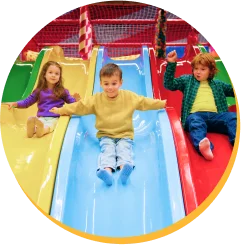
One of the clearest benefits of summer camp for kids is physical activity, especially for younger children who genuinely need to move.
At this age, movement is not just about exercise. It supports coordination, balance, body awareness, focus, and emotional regulation. Kids often process energy, excitement, and even frustration through active play. When they do not get enough of it, you can usually tell.
A good summer camp gives children more opportunities to climb, run, jump, play games, and stay engaged with their bodies, rather than spending long stretches sitting still. That active rhythm can make a real difference during summer break, when routine often loosens and screen time can easily creep up.
For younger kids, this kind of movement also helps build confidence. They start trusting what their bodies can do. They get used to trying things. They feel stronger, steadier, and more capable.
That is one reason many parents looking at a summer camp in Mississauga are not just asking, “Will this keep my child busy?” They are asking, “Will this help my child have a better kind of day?”
That is a much smarter question.
It Helps Younger Kids Keep Some Routine During School Break
Summer is fun, but for younger children, too much unstructured time can be hard.
Kids often do better when their day has some shape to it. They like knowing what comes next. They feel more secure when there is a rhythm to follow. That does not mean every moment needs to be tightly scheduled. It just means routine still matters, even in the summer.
A good camp creates that rhythm without making the day feel rigid.
There is a time to arrive, a time to play, a time to join activities, a time to eat, a time to reset, and a time to go home. That kind of pattern can be especially helpful for little kids who are still learning how to transition between parts of the day.
From a child development perspective, predictable routines often help children feel safer and more settled. Emotionally, that can mean fewer power struggles, less aimlessness, and smoother days overall.
For parents who are still deciding whether camp is worth it, this part is often underrated. Sometimes what helps a child most is not one special activity. It is simply having a day that feels active, balanced, and easy to understand.
Camp Can Build Confidence in Small, Real Ways
Confidence in younger kids usually does not arrive in some dramatic movie moment. It builds quietly.
It builds when they join a group activity without hanging back quite as long. It builds when they try something new and realize they can do it. It builds when they follow a routine in a different environment and feel okay there. It builds when they do not know exactly what to expect, but still get through the day smiling.
That is why one of the long-term benefits of summer camp for kids is often a stronger sense of independence.
Not the kind that says your child suddenly becomes fearless. The more realistic kind. The kind where they become a little more comfortable being away from you. A little more willing to participate. A little more trusting of themselves.
For parents of younger kids, that can be a huge shift.
And for children who are still growing into new situations, these little wins matter. They create momentum. One good day makes the next one easier. One small success makes the next challenge feel less intimidating.
This is also why the right first camp matters so much.
Looking at summer camp options in Mississauga for a younger child?
The environment can make all the difference. Jumbaloo Summer Camp gives kids space to stay active, follow a fun routine, and ease into new experiences in an engaging, rather than overwhelming, way.
Summer Camp Can Support Social and Emotional Growth
For younger children, camp is not just a place to play near other kids. It is a place where social and emotional learning happens in real time.
They practice waiting for turns. They listen to instructions from other adults. They join group activities. They navigate excitement, disappointment, friendships, and transitions. They learn how to be part of something without everything revolving around them.
That is a big part of growing up.
Many parents worry first about the practical side of camp, but the emotional side matters just as much. The right summer camp for younger kids can help children become more comfortable speaking up, participating, cooperating, and adjusting to the flow of a group day.
It can also help them build resilience in very manageable ways.
Maybe they do not love every activity. Maybe they need a little time to warm up. Maybe they feel unsure at first and then settle in. Those moments are part of the value. Kids do not need a perfectly easy experience to grow. They need support while learning that they can handle something new.
That is one reason why summer camp is good for kids beyond simple entertainment. It gives them gentle, repeated practice in being flexible, social, and emotionally adaptable.
If Your Child Is Shy or New to Camp, That Does Not Mean They Are Not Ready
This is the part many parents need to hear most.
A child does not have to be outgoing, super independent, or instantly social to benefit from camp. They do not have to be “camp kids” from day one. They do not need to walk in confidently.
Some children need time. Some observe before joining. Some stay close to what feels familiar until they feel safe enough to branch out. That does not mean camp is wrong for them. It usually just means the environment matters more.
For shy children, a good first camp experience can actually be a very positive step. It gives them a chance to get comfortable in a group at their own pace, while still being gently encouraged to participate. They start to see that new places are not always scary. New people can become familiar. New routines can start to feel normal.
The same goes for younger children who have never done camp before.
Parents sometimes assume “first summer camp” has to be a giant leap. It does not. It just needs to feel manageable. A child can be small and cautious yet fully capable of having a good camp experience.
What they need is not pressure. They need the right setting.
What Kind of Summer Camp Environment Helps Younger Kids the Most
Not every camp is automatically a good fit for every child, especially when you are looking at summer camp for younger kids.
If you want your child to experience the real benefits of summer camp for kids, it helps to look beyond the basic schedule and ask what the environment actually feels like.
For younger children, a good fit usually includes:
Age-appropriate activities
Kids should be able to participate without feeling lost, left behind, or overstimulated.
A balanced day
There should be movement and excitement, but also enough structure to help children settle into the rhythm.
Supportive supervision
Younger kids do best when adults are attentive, calm, and used to helping children ease into group settings.
Space for different personalities
Not every child is loud or instantly social. A good camp leaves time for warm-up.
Active, engaging play
Younger kids benefit most when the day gives them real chances to move, explore, and interact, rather than just pass the time.
An environment that feels fun but not chaotic
There is a difference between exciting and overwhelming. For little kids, that difference matters.
This is often where nervous parents get their answer. It is not just about whether camp is good in theory. It is about whether this camp feels like a place where your child can genuinely do well.
Why Local Summer Camp Options Matter for Mississauga Families
There is also something to be said for keeping things local.
When parents look for a summer camp in Mississauga, they are not only thinking about activities. They are also thinking about routine, convenience, and how manageable the whole experience feels for the family.
A local camp can make mornings easier. It can make drop-off feel less stressful. It can help your child feel more connected to their own community and surroundings. And for younger kids, that sense of familiarity can be comforting.
For parents who are already feeling unsure about camp, simpler logistics matter. When the schedule feels doable, the decision feels easier too.
That is one reason local options often feel more appealing than something that sounds great on paper but creates stress before the day even starts.
Why Jumbaloo Summer Camp Can Feel Like a Good First Step
For parents exploring the benefits of summer camp for kids, especially for younger children, Jumbaloo Summer Camp can feel like a more approachable first step.
The appeal is not just that it fills the day. It is that it brings together the things many little kids respond well to: movement, play, structure, interaction, and a fun environment that still feels manageable.
For a shy child, a first-time camper, or a younger child who is still growing into new routines, that kind of setting can matter a lot. The goal is not to throw them into something huge and hope for the best. The goal is to give them a summer experience that feels positive, active, and supportive from the start.
For many families, that is what makes camp feel worthwhile.
Final Thoughts
If you have been wondering whether summer camp is worth it for your child, especially a younger one, the answer often depends on the experience itself.
The right camp is not just a way to fill summer days. It can help children stay active, keep some structure, build confidence, and become more comfortable with the world outside home. It can support both healthy movement and emotional growth in ways that feel natural for their age.
And if your child is shy, little, or completely new to camp, that does not automatically mean they are not ready. It may simply mean they need the right kind of environment to ease into it.
That is where thoughtful local options matter.
If you are looking for a summer camp in Mississauga that feels active, welcoming, and well-suited to younger kids, Jumbaloo Summer Camp is worth exploring.





 Don't Miss a Moment of the