

























If your child comes home from school and heads straight for a screen, you are not alone.

For a lot of parents, the hardest part of the day is that after-school stretch. Kids are tired, mentally done, and very ready for something easy. Screens win quickly because they ask almost nothing from them. They are immediate, familiar, and rewarding. Movement, on the other hand, can feel like effort, especially when a child is already in “I just want to relax” mode.

That is what makes this such a frustrating problem. Most parents already know movement matters. The harder question is how to encourage kids to be more active when they do not naturally choose it after school.

The good news is that this usually is not about laziness or bad parenting. It is more often about habit, energy, and what feels easiest in the moment. Canada’s movement guidelines say children and youth ages 5 to 17 should get at least 60 minutes of moderate-to-vigorous physical activity each day, while children ages 1 to 4 should get at least 180 minutes of physical activity spread throughout the day. The same guidance also recommends limiting sedentary screen time and avoiding long stretches of sitting.

So if your child is resisting movement after school, the goal is not to pressure them more. It is to understand why that resistance happens, then make the activity feel easier to start and better to keep doing.

Why Screens Feel So Hard to Compete With

A lot of after-school behavior makes more sense when you stop looking at it as a willpower problem.

After school, many children want something predictable and low-effort. Screens do that very well. They offer quick stimulation, instant reward, and very little friction. A child does not have to get dressed, go outside, think of a game, or deal with being bad at something. They just tap and start.

That matters because behavior is often shaped by what feels easiest, not by what is best in the long term.

Physical activity is different. Even when kids end up enjoying it, it can take more effort to begin. They may need to switch clothes, change environments, interact with siblings, or move from tired mode into active mode. If a child already sees movement as “something I’m told to do,” that resistance gets even stronger.

This is why simply saying “go play outside” or “put the tablet away” often does not work. It addresses the behavior on the surface, but not the reason the screen is winning in the first place.

Why Pushing Too Hard Can Backfire

When parents are worried about screen time, it is very easy for movement to start sounding like a correction.

Go outside. Move more. You have been sitting too long. Do something active.

The problem is that kids pick up on that quickly. If physical activity starts to feel like the opposite of what they want, or like a punishment for liking screens, they are even less likely to choose it willingly.

Psychologically, children are more motivated by things that feel enjoyable, social, or self-directed. They are less motivated by things that feel forced, especially when they are already tired or emotionally full from the day.

That does not mean parents should give up on limits. It means the tone matters. Kids are more likely to move when activity feels like a good option, not just the thing standing between them and the screen they want.

Start by Changing the Feeling Around Movement

If your child resists physical activity, one of the most helpful things you can do is stop presenting movement as a task they should want just because it is healthy.

That is not usually how children work.

They are more likely to respond to movement when it feels:

  • fun
  • playful
  • shared
  • easy to begin
  • connected to something they already enjoy

For younger kids, that may mean active play that feels silly or imaginative. For older kids, it may mean movement that feels social, skill-based, or exciting enough to compete with a screen.

The goal is not to convince your child that exercise is important. The goal is to help their brain start connecting movement with a better feeling.

Once that happens, resistance often softens.

Make It Easier to Start, Not Just Easier to Say Yes To

A lot of parents focus on whether their child wants to be active. But the better question is often whether it feels easy enough to start.

Children usually do not resist only because they hate movement. They often resist because starting feels like a bigger shift than continuing the thing they are already doing.

That is why low-friction movement matters so much after school.

If an activity feels too big, too organized, too far away, or too adult-directed, it may lose before it even begins. But if movement feels close, accessible, and familiar, it has a better chance.

That does not mean every day has to be perfectly planned. It just means it helps when active options feel normal and available, not like a whole separate event the family has to produce from scratch.

Children Often Move More When It Feels Social

This is one of the most overlooked pieces of the puzzle.

A lot of children are not drawn to physical activity because of the activity itself. They are drawn to the experience around it. They want company. They want laughter. They want it to feel like play, not a personal fitness goal.

That is one reason active spaces can help. When movement is built into an environment that already feels exciting, social, and playful, children often stop treating it like something they are being pushed into.

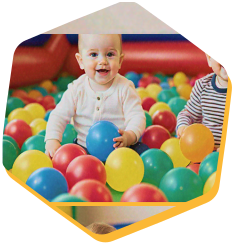
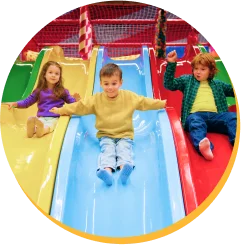
This is where a place like Jumbaloo can make sense for some families. If your child is the kind who resists being told to “go be active,” but will happily climb, run, and play once they are in the right environment, an indoor play space can lower that resistance. It turns movement into something fun and easy to enter, which is often exactly what screen-heavy kids need after a long day.

Inside the Best Toddler Indoor Playground in Mississauga

That kind of support can matter even more on rainy days, colder days, or afternoons when parents know they do not have the energy to create active play from nothing.

Do Not Underestimate Mental Tiredness

One reason after-school screen habits are so stubborn is that kids are often mentally tired even when they still have physical energy left.

That can look confusing from the outside. A child says they are tired, then spends an hour watching videos, and somehow still has the energy to bounce off the couch later.

But those are not the same thing.

A lot of children come home mentally overloaded from concentrating, listening, regulating emotions, following instructions, and moving through social situations all day. Screens can feel like an easy way to shut that all down. The problem is that passive screen time does not always give them what they actually need most in that moment.

Sometimes what helps more is the right kind of movement. Not intense, not forced, just enough activity to release some of that pent-up restlessness and shift their mood. WHO guidance notes that higher sedentary time in children and adolescents is linked with poorer fitness, poorer cardiometabolic health, shorter sleep duration, and worse mental health outcomes.

That is part of why after-school movement can be so valuable. It is not only about health in the abstract. It can also help children feel better in their actual body and mood at the end of the day.

Screens Are Not the Enemy, But They Need Boundaries

A reassuring approach does not mean pretending screens are harmless in every amount or context.

Most parents already know that when screens expand too easily, movement, play, sleep, reading, and family time often get squeezed. That is also why pediatric guidance increasingly focuses less on one rigid number for every child and more on protecting the parts of life that matter. The American Academy of Pediatrics recommends creating screen-free times and spaces so there is still room for sleep, movement, homework, play, and family time.

That is a useful mindset for parents dealing with after-school habits.

The goal is not to make screens feel forbidden and magical. It is to stop letting them become the automatic first choice every day. When that changes, even gradually, children often become more open to other ways of spending that after-school time.

Try to Work With Motivation, Not Against It

This is where many parents get stuck. They know they want their child to move more, but they are trying to solve it with logic, while the child is responding to emotion and habit.

Children are much more likely to repeat things that feel good, make them feel capable, or connect them with someone they enjoy being with.

That means movement becomes easier to encourage when it includes:

  • fun instead of pressure
  • connection instead of correction
  • choice instead of constant commands
  • variety instead of repetition
  • success instead of feeling behind or bad at it

This is especially important for children who are not naturally sporty or confident in physical activity. If movement only shows up in ways that make them feel awkward, slow, or compared to others, they will avoid it even more.

The answer is not to push harder. It is to help them find forms of movement that feel more inviting.

The Small Shift That Usually Matters Most

If this whole topic feels overwhelming, it helps to remember one thing: children do not usually become more active because of one perfect rule or one inspiring talk.

They become more active because the environment around them starts making movement easier, more normal, and more rewarding.

That is the real shift.

Not “my child suddenly loves exercise.”
More like, “being active no longer feels like the hardest option on the table.”

That change can happen at home. It can happen through family habits. It can happen through better after-school transitions. And sometimes it can happen because parents find outside options that make them feel more playful and less like a chore.

Final Thoughts

If your child prefers screens and resists physical activity after school, it does not mean something is wrong with them or with you.

It usually means screens are currently winning the habit battle because they are easy, rewarding, and always available. The way forward is not more shame. It is helping movement compete more fairly by making it feel simpler, more enjoyable, more social, and less forced.

That is really the heart of how to encourage kids to be more active. Not through pressure, but through better conditions.

And for many families, that starts with a simple mindset shift: after school, do not just ask how to get your child away from the screen. Ask how to move, feel like something they would actually want to choose.