




























If you’re weighing options for a kids camp in Mississauga that the families trust, you’re not just shopping for schedules; you’re investing in skills that carry into school, sports, and home life. Indoor camps shine here because the space, routines, and coach-led structure help kids practice real-life habits every day. Below are five high-impact skills, what they look like in action, and how to spot them when you tour or call a provider. We’ll keep it practical, conversational, and parent-first, with a subtle nod to how Jumbaloo designs for these outcomes.
1) Self-Management: routines, transitions, and “try again” habits
Strong self-management is the difference between a child who stalls at every transition and a child who can switch gears without tears. In a well-run kids camp in Mississauga, you’ll see clear blocks of time, friendly countdowns before changes, and coaches who normalize effort over perfection. That predictable rhythm helps children anticipate what’s next, finish what they started, and feel proud of small wins. Indoors, this is easier to deliver because the weather does not derail the day, and rooms are already set for the next activity.
What to look for during a tour or call:
- A posted daily schedule with consistent blocks for arrivals, activities, snack, and wrap-up.
- Two-minute warnings before transitions and short, calm cues.
- Coaches who say “try again” and offer one simple strategy rather than correcting everything at once.
Parent tip to reinforce at home: Set a two-minute timer before switching tasks and praise the process. Try “You stuck with it and made progress” instead of “You’re done already.”
2) Collaboration: shared roles, turn-taking, and kind problem-solving
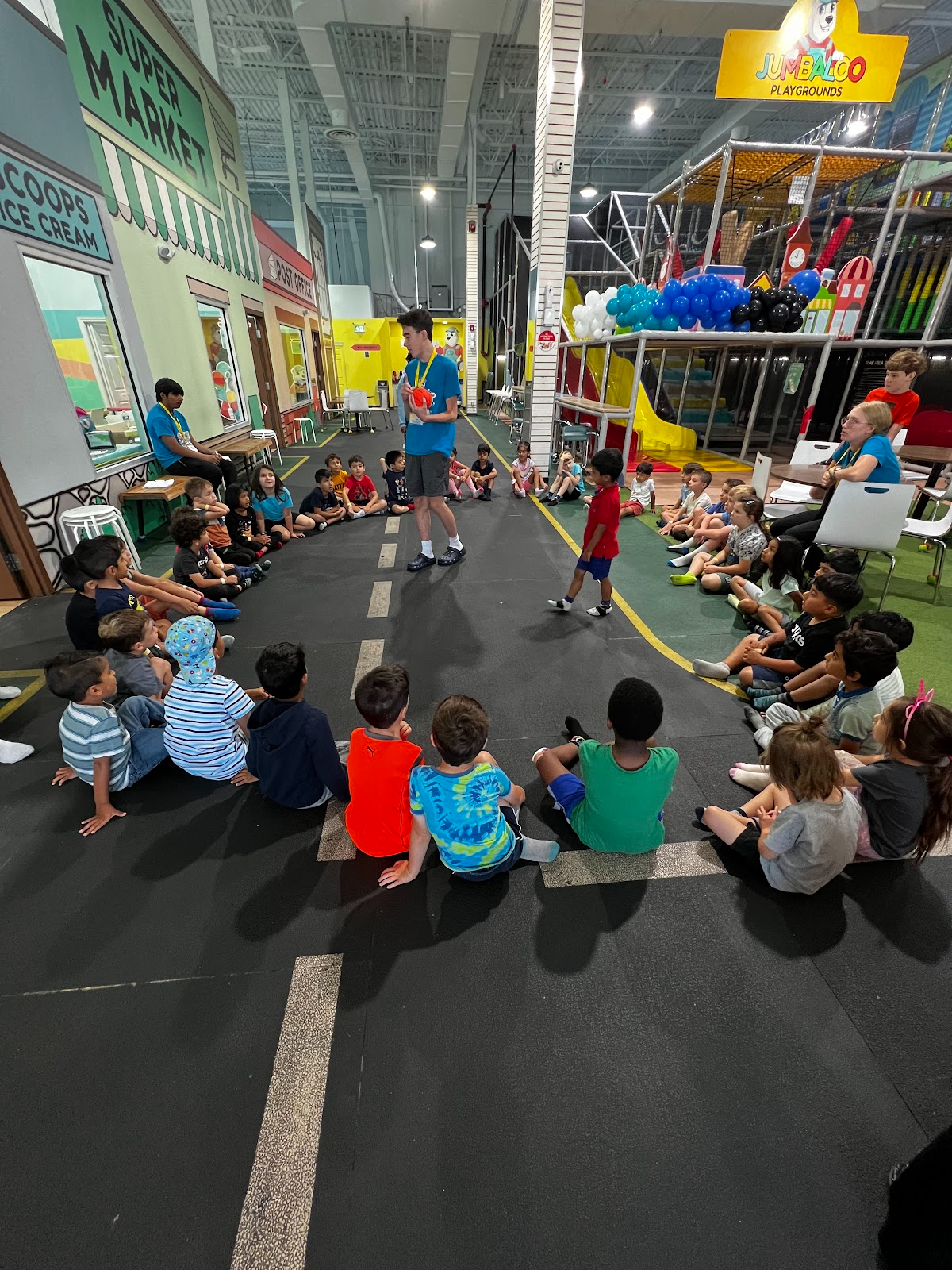
Teamwork at camp is more than “play nicely.” Kids learn to plan with a partner, trade roles, and resolve friction without an adult fixing everything. In a strong indoor program, small groups rotate through stations so every child gets a chance to lead and to support. Coaches provide short scripts that turn stand-offs into solutions, and the space itself helps because zones are defined and distractions are lower than in a park.
What you should see or hear about:
- Small-group challenges with clear roles such as builder, tester, timekeeper, or storyteller.
- Rotating partners so assertive kids practice patience, and quieter kids get a gentle nudge to speak.
- Coach prompts like “What’s your plan?” and “How can we combine both ideas?”
How to ask providers: try “How do you mix ages or abilities in groups?” and “How often do kids switch roles?” For a kids’ camp in Mississauga that values collaboration, you will hear about planned rotations, not just free play.
3) Problem-Solving: trial, tweak, and try again without melting down
Great camps make room for experiments that do not work on the first try. That is the heart of problem-solving. Indoors, materials and stations are ready for fast re-tries, and coaches can guide reflection while it is fresh. Children learn to adjust a plan, test a new idea, and stay regulated when frustration pops up. Over time, they associate challenge with curiosity instead of panic.
Signs the program builds real problem-solvers:
- Open-ended activities with light constraints, such as limited materials or short time caps.
- Visible iteration where kids make version one, get quick feedback, and try version two.
- Short debriefs that sound like “What worked?” “What was tricky?” “What will you change next round?”
Parent follow-through that works: run a five-minute “fix it” moment each week. Pick something small like a wobbly LEGO build, brainstorm three options, and test one. Name the tactic they used so the learning sticks.

4) Communication: clear asks, active listening, and confident sharing
Kids who can ask clearly and listen well make friends faster and handle group time with less drama. Indoor camps create dozens of micro-moments for this skill lining up for a turn, requesting a material, or explaining a choice in a project share. Coach language matters here. When adults model short, kind, and specific phrases, children copy that tone with peers.
How strong programs coach communication:
- Short circle times where every child contributes one line, not long speeches.
- Turn-taking prompts such as “Please pass the blue blocks when you are done.”
- Quick shares where kids name one decision they made rather than reading a script.
Questions to ask a kids camp in Mississauga provider: “How do you help quieter kids participate?” and “What language do staff use to guide turn-taking?” You are listening for specific phrases, not general promises.
5) Creativity with Focus: imagination that actually ships
Creativity is not just ideas on paper. It is the ability to start something, stick with it, and share it proudly. Indoor camps excel when they balance high-energy play with focused make-time. The best programs give children gentle constraints, such as a theme or a time box, and then step back so kids own the process. That mix builds stamina and pride.
Markers of a focus-friendly creative block:
- A defined output, such as a craft, a simple prototype, or a short skit that wraps in one session.
- Light themes and time limits that encourage decisions rather than endless tinkering.
- A quick “show and tell” where the group cheers effort and originality.
Parent follow-through you will actually use: keep a small project bin with tape, paper, and recyclables. Set one twenty-minute create window each week and end with a photo and a sentence about what they tried.
Why the Indoor Setting Helps Skills Stick
Indoors, the schedule holds. No rainouts or heat waves. Zones for movement, making, and calm reset are ready all day, so transitions are smoother and coaches can give targeted feedback at the right moment. That structure lifts the quality of practice. If you are building a shortlist for a kids camp in Mississauga, ask to see a sample schedule and how rooms are set up. Clear zoning is a quiet sign of strong programming.
How Jumbaloo Supports These Outcomes
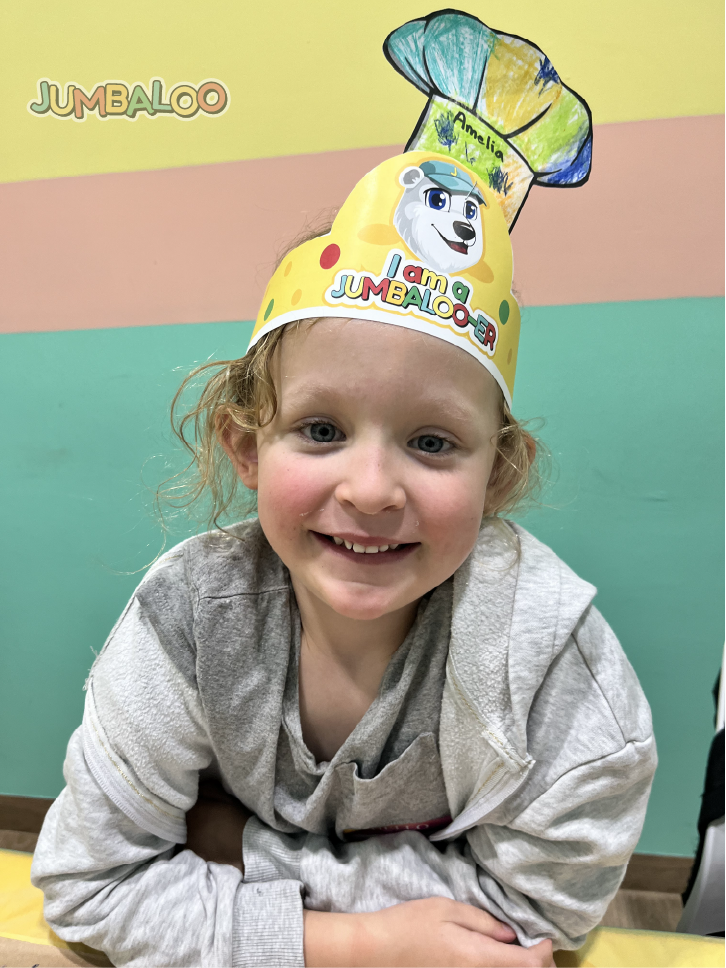
Parents often ask for one simple picture of fit, so here it is. Jumbaloo uses coach-led rotations, clearly zoned spaces for active play and make-time, and a steady daily rhythm that keeps kids regulated. You will hear short, kind prompts rather than crowd control. You will also get straightforward parent touchpoints so you know what to talk about on the ride home. Allergy note for planning peace of mind: Jumbaloo operates nut-free and shellfish-free, and families manage any other dietary needs.
Explore programs and sample schedules here: Jumbaloo Camps
Quick comparison checklist to save to your notes
- Posted a daily schedule with consistent blocks and friendly transition cues.
- Small groups during hands-on activities so coaches can engage closely.
- A balanced day that always includes movement, make-time, and a brief cool-down.
- Planned role rotation during group tasks to build real collaboration skills.
- Short debriefs or shares that teach kids to reflect without pressure.
- Clear allergy approach and a simple, predictable snack plan.
- A concrete note to parents about one skill practiced that day.
If a kids’ camp in Mississauga can answer these points with specifics, you are likely looking at a program where skills last beyond summer.
The parent takeaway
The best camps teach how to learn, not just what to do. Self-management, collaboration, problem-solving, communication, and creativity with focus are all easier to practice in an indoor setting with predictable routines and coach support. Shortlist the programs that can show you their plan, explain how small groups run, and share daily highlights in plain language.
If Jumbaloo matches your child’s energy and your family’s schedule, you will get a camp day that feels fun now and pays off later at school, on teams, and around your kitchen table.



 Don't Miss a Moment of the