




























What if getting your child to try new things didn’t need bribes, battles, or long speeches? What if it took ten seconds and your genuine smile? That’s the Power of Positive Reinforcement: naming the brave bit you notice (“You put one toe in the water!”) so your child wants to take the next step. It’s science-backed, parent-approved, and totally doable between dinner, homework, and hockey practice.
In minutes, you can shift the mood from “Nope” to “Okay, I’ll try.” That’s the kind of everyday magic we love to see at playdates, school pickup, and yes, at Jumbaloo too.
What’s the deal with positive reinforcement?
In simple terms, positive reinforcement means noticing what your child is doing right and responding with something meaningful (praise, a smile, a nod, time together) so they’ll want to keep doing it. That’s the essence of the “power of positive reinforcement.”
It’s not about rewards every time, or shouting “Good job!” like a referee (though a little enthusiasm is great). It’s about building a habit of encouragement so your kids feel safe to explore, try, and, yes, sometimes fail and pick themselves back up.
As Canadian child development voices remind us, early nurturing opens doors. One article says:
“Early experiences shape the brain’s plasticity. When we talk to and play with babies, we promote learning and positive behaviour in childhood.”
So yes, the power of positive reinforcement carries real brain-science weight.
Why does this matter when kids try new things?
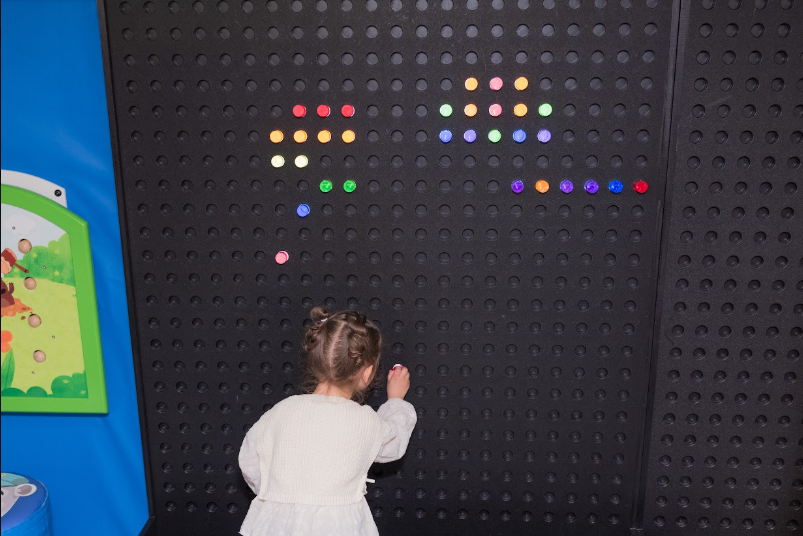
Trying something new is a big deal for kids. It might be scary. It might feel weird. It might even go badly first. But when you bring in positive reinforcement, it becomes a little easier and a lot more fun. Here’s why:
- Encouragement builds confidence. When you say things like, “I noticed you tackled that slide even though it looked big,” your child hears: I saw you. You matter. You can do this.
- Focus shifts from perfection to effort. Instead of “you did it perfectly!” we focus on “you showed up and gave it a go!” That keeps the enthusiasm alive.
- Mistakes become part of the adventure. With positive reinforcement, a stumble isn’t a failure; it’s a “Whoa-that-was-brave” moment.
- It strengthens the bond. When your child notices you cheering them on, it builds trust. Like a Canadian psychologist, Daphne Maurer, notes: early perceptual and relational development matters deeply.
So when you see your little one edging toward a new skill, say, trying a new sport, a new friend, or even just eating a new veggie, remember: the power of positive reinforcement is your super-tool.
How you can use it (without becoming a walking “Good job!” machine)
Here are some parent-to-parent, friendly, playful tips, the kind we’d share at a Jumbaloo camp break (yep, the kind of fun we have at our Jumbaloo camps!).
- Catch them in the act
When you see even a small step toward something new, highlight it. “Hey, you zipped up your jacket all by yourself. That’s awesome!” The magic: you’re noticing effort and initiative. - Be specific
Instead of the blank “Good job!”, try: “Wow, you held onto the bike handlebars even though you felt wobbly.” The specificity tells them what you’re cheering, and the more they know what works, the more they’ll try it. - Use your genuine voice
Kids sense when praise is just filler. So keep it warm, simple, maybe a little goofy: “You totally rocked that new swing move, you’re like a mini-swing-rocket!” Genuine beats perfect every time. - Pair praise with connection
After the “you did it” moment, add: “Wanna high-five and then pick the next challenge together?” That extra moment reinforces connection and builds the “we’re in this together” vibe, which is central at our Jumbaloo camps. - Embrace the mess-ups
If the new thing doesn’t go as planned, avoid “uh-oh, try again” with a frown. Instead: “Cool try, you chose to show up, and that’s huge. Wanna figure out the next step together?” This is exactly where the power of positive reinforcement shines: celebrating the try, not just the fly.
Celebrate the tiny wins
Maybe your child didn’t eat the whole new veggie, but they touched it or asked about it. That’s a win. Reinforce those micro-steps. Big growth often rides those small waves.
Real-world parent stories
Imagine your nine-year-old decides to try skateboard lessons, though they’ve been hesitant. You might say: “I love how you said ‘Sure, let’s try it’ even though it looked a bit scary. That’s brave.” Boom. You’ve used the power of positive reinforcement and paved the way for the next try.
Or your five-year-old is trying to read a new chapter book. Instead of simply “Nice reading,” you say: “You sounded out that tricky word and then you asked for help, way to use your brain power!” That specificity tells them how they succeeded and encourages problem-solving.
Parents tell us at Jumbaloo that these moments lead to more “Hey Dad, can you help me try this?” or “Mom, I want to do it again.” That’s exactly the behaviour we’re aiming for.
When you really see the shift
Over time, with consistent use of positive reinforcement, you might notice:
- Your child attempts new things more often.
- They fail, try again, and bounce back quicker.
- They talk about “I tried because I want to see what happens” vs “I don’t want to mess up”.
- You find yourself cheering them more than correcting them.
That’s the power of positive reinforcement at work: shifting the room from “be perfect” to “show up, try, grow.”
And yes, research backs this up, though we’re not diving into equations here! For example, Canadian research on early development shows that loving, responsive interactions in the early years promote positive behaviour.
A quick checklist you can keep handy
- Today I noticed one small step toward something new.
- I named the specific action (“you held the paintbrush three strokes”).
- I celebrated with connection (“let’s clap/laugh/share the story”).
- I encouraged the next step (“What’s the next move you want to try?”).
- If it didn’t work: I acknowledged the effort and said, “Cool leap, what do we want to try next?”
Do that one time and you’re already making a difference.
Final bit of encouragement
Parenting is part wonder, part chaos, part “how did we get here?” and part pure joy. Using the power of positive reinforcement doesn’t mean you’ll never say “Stop that!” or “Let’s try again,” it simply means you’re shifting the default tone of your interactions toward “I believe in you, let’s try this together.”
And from one parent to another: you’ve got this. Whether your child is testing out a new hobby, entering a new school grade, or simply trying to make the bed without being asked, give them that little boost of “yes, you can.” Watch how the confidence grows.
At Jumbaloo, we see so many kids light up when they feel safe to try, safe to fail, and safe to try again. And you can bring that magic home, too.
Here’s to all the new things your kids will try, and all the high-fives, smiles, and “look at you go!” moments in between. The power of positive reinforcement? It’s your parenting superpower. Use it with warmth, open arms, and a playful heart.



 Don't Miss a Moment of the