




























School is out, the backpacks are away, and suddenly the day feels very long.
For kids, summer break can feel exciting. No early alarms. No homework. More time to play, snack, sleep in, and ask “What are we doing today?” before you have even finished your coffee.
For parents, it can feel like a lot.
Especially if your child is the kind of kid who needs to move.
Some kids can sit with a craft, a book, or a movie for a while. Others have about 12 minutes before they are climbing the couch, chasing a sibling, bouncing around the hallway, or turning every object in the house into part of a game.
That does not mean they are being “too much.” It usually means their body needs movement, structure, and something to look forward to.
The good news? A summer routine for active kids does not have to be strict, complicated, or perfectly scheduled. It just needs to give the day a rhythm.
Here is a realistic way to build one.
First, Let Go of the Perfect Summer Schedule
A lot of summer routine ideas look great online but fall apart by 10:30 a.m.
Wake up at 7. Breakfast at 7:30. Reading at 8. Outdoor play at 9. Craft at 10. Educational activity at 11.
It sounds nice. But real summer days are not always that neat.
Some mornings start late. Some days are too hot. Some parents are working. Some kids are tired. Some days, everyone just needs a slower start.
So instead of trying to plan every minute, think in blocks.
A good summer break routine for children can be built around a few simple parts:
- Wake-up and breakfast
- Morning movement
- Quiet or creative time
- Lunch
- Afternoon activity
- Rest or screen time
- Evening reset
That is it.
The goal is not to control the whole day. The goal is to stop the day from feeling like one long stretch of chaos.
Start the Day With Movement
For active kids, morning movement can make a big difference.
After breakfast, give them something physical to do before the day drifts into screens or boredom. It does not have to be a full activity. Even 20 to 30 minutes can help.
Try:
- A walk around the block
- Scooter or bike time
- Backyard soccer
- A mini obstacle course
- Dancing to two favourite songs
- Jumping challenges
- A quick trip to the park
- Indoor movement games if it is too hot outside
This helps kids use some of that early energy positively.
It also sets the tone for the day. Instead of starting with “Can I have the tablet?” the day starts with movement, fresh air, and play.
For parents wondering how to keep kids active in summer, this is one of the easiest places to begin.
START THE DAY WITH MORE THAN THE COUCH
Give that morning energy somewhere to go at Argentia.
Book Argentia Playtime
Build a Simple “Move, Make, Rest” Rhythm
A summer routine for active kids works best when it balances movement with quieter moments.
One easy rhythm is:
Move. Make. Rest.
Move means active play.
Make means something creative or hands-on.
Rest means quiet time, reading, screen time, or downtime.
For example:
Morning: Move
Park, backyard games, indoor play, dance party, or sports.
Midday: Make
Drawing, building, puzzles, pretend play, baking, LEGO, or a simple craft.
Afternoon: Rest
Reading, quiet play, screen time, or a calm activity.
Then you can repeat a lighter version later in the day.
This rhythm works because active kids still need downtime, but they usually handle it better after they have moved their bodies first.
Use Screen Time as a Reset, Not the Whole Plan
Let’s be realistic. Screen time happens in summer.
And for many families, it is not about removing screens completely. It is about keeping them from taking over the whole day.
One helpful rule is to use screen time after movement, not before.
For example:
- Park first, show after.
- Indoor play first, tablet after.
- Backyard game first, movie after.
- Walk first, video game after.
This gives kids something to work toward and helps prevent the day from starting in slow mode.
You can also create simple screen-time anchors:
- After lunch
- During the hottest part of the day
- While a parent is finishing work
- After outdoor or active play
That way, screen time becomes part of the daily routine for kids on summer break, not the routine itself.
Add One “Big Energy” Activity Each Day

Active kids often need at least one part of the day where they can really move.
Not just a quick walk. Not just “go play for a bit.” Something that lets them run, climb, jump, chase, balance, explore, or fully use their body.
This could be:
- A park visit
- Swimming
- Soccer or basketball
- A bike ride
- A playdate
- A trampoline session
- A splash pad
- An indoor playground
- A summer camp day
- A family walk after dinner
You do not need a big outing every day. But having one active anchor gives the day structure and gives kids something to look forward to.
For parents managing summer break at home, this can also reduce the “I’m bored” loop that tends to appear around mid-afternoon.
MAKE THE BIG ENERGY BLOCK COUNT
Let Ridgeway handle the running, climbing and jumping.
Book Ridgeway Playtime
Make Room for Boredom, Too
A routine does not mean kids need entertainment every hour.
In fact, a little boredom is okay.
The trick is to give kids a few choices so boredom does not immediately turn into whining, fighting, or screen requests.
You can create a simple “when you’re bored” list and keep it somewhere visible.
Ideas could include:
- Build something
- Read for 15 minutes
- Draw your dream playground
- Make a blanket fort
- Play with blocks
- Create a dance
- Kick a soft ball into a laundry basket
- Help make a snack
- Make an obstacle course
- Choose a toy you have not used this week
For active kids, include movement-based options on the list. Sometimes they do not need a new toy or activity. They just need permission to move in a way that works indoors or outdoors.
Keep Meals and Sleep Fairly Predictable
Summer routines can be flexible, but kids still do better when a few parts of the day stay predictable.
Meals and sleep are two of the biggest ones.
If lunch happens at a wildly different time every day, snacks can take over. If bedtime shifts too much, the next day can start with tired, restless energy.
You do not need school-year strictness, but try to keep a general pattern:
- Breakfast after waking up
- Lunch around the same time
- Snack before or after the main activity
- Dinner at a familiar time
- A calming bedtime routine
This is especially helpful for kids who need a lot of movement. When their body knows what to expect, transitions can become a little easier.
A Realistic Summer Routine You Can Actually Use
Here is a simple summer schedule for kids that works for many families:
Morning
Wake up, breakfast, get dressed, simple chores.
Late Morning
Movement time: park, backyard play, scooter, indoor games, or an active outing.
Midday
Lunch and quiet play.
Early Afternoon
Creative time, reading, building, puzzles, or screen time.
Late Afternoon
Big energy activity: playdate, indoor playground, sports, splash pad, or active family time.
Evening
Dinner, bath, calm play, bedtime routine.
This does not have to happen perfectly. Some days will be full. Some days will be slow. Some days will be a mix of snacks, laundry, work calls, and kids asking what is next.
That is normal.
The point is to have a rhythm you can return to.
When Home Is Not Enough
Some days, even the best routine needs a change of scenery.
The weather may be too hot. The kids may be bouncing off the walls. You may not have the energy to set up another activity at home. Or your child may simply need more space to move than the living room can offer.

That is where indoor active play can help.
For families looking for summer activities for kids in Mississauga, an indoor playground can be an easy way to add movement into the day without overplanning. Kids get a place to climb, run, jump, explore, and burn energy, while parents get a break from trying to create every activity from scratch.
Add Jumbaloo to Your Summer Routine
Jumbaloo can fit naturally into a summer routine for active kids because it gives them what they often need most: space to move.
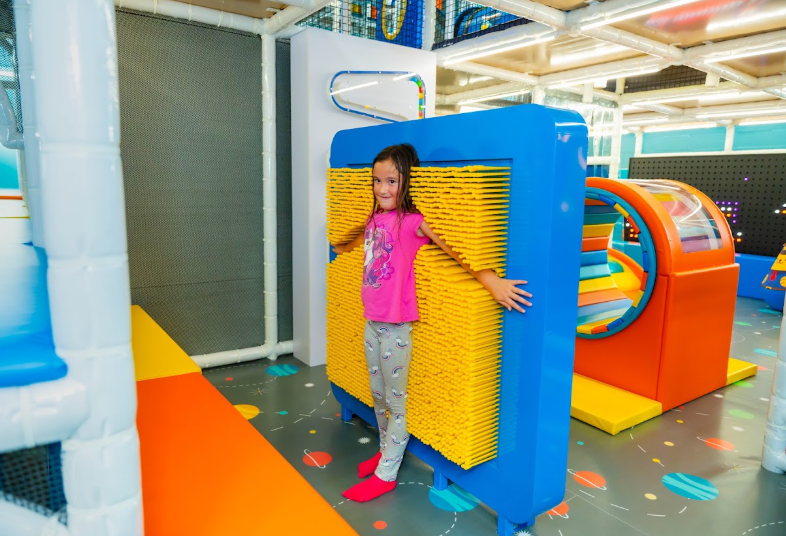
Instead of asking kids to calm down when their bodies are clearly ready to play, Jumbaloo gives them a place to use that energy in a fun, active, and social way.
It can be your:
- Rainy day plan
- Too-hot-outside plan
- Midweek energy burn
- Playdate spot
- Screen-time break
- Summer outing when everyone needs a reset
Kids can climb, jump, run, explore, and enjoy active indoor play, while parents get an easy summer activity that does not require planning a full-day trip.
And sometimes, that is exactly what a summer routine needs: one reliable place where kids can just move.
Keep It Simple, Keep It Moving
Summer break does not need to be perfectly scheduled to be good.
Kids need rest, fun, freedom, and yes, plenty of movement. Parents need a routine that helps the day feel manageable without turning summer into a full-time activity calendar.
Start with a simple rhythm. Add movement early. Keep meals and rest somewhat predictable. Use screen time thoughtfully. Plan one bigger energy-burning activity when you can.
And when your active child needs more space than home can offer, Jumbaloo is there to help turn a long summer day into an active, playful one.
WHEN A FEW HOURS ARE NOT ENOUGH
Give active kids a full day built around play and activities.
Explore Argentia Summer Camp





 Don't Miss a Moment of the