




























Choosing a first summer camp can feel like a bigger decision than it sounds.
You are not just comparing activities. You are trying to picture your child in a brand-new setting, away from you, following a new routine, around new kids, with a day that may feel exciting or a little too big, depending on the environment.
For some families, outdoor summer camps are a great fit. They can offer fresh air, sports, nature-based activities, and lots of room to move. But for parents of cautious, shy, or easily overwhelmed kids, indoor camp often feels like the easier first step.
In Mississauga, that question can feel even more relevant when the weather can shift between heavy rain, storms, and very hot days. The City of Mississauga says it has already been seeing more extreme weather, including extreme rainfall and some of its hottest summers on record.
If you are comparing indoor vs outdoor summer camps for kids in Mississauga, the real question is not which one is better in general. It is which one is more likely to feel positive, manageable, and comfortable for your child’s first camp experience?
What Outdoor Summer Camps Can Be Great For
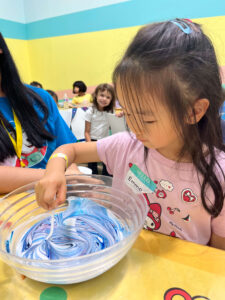
Outdoor camps can absolutely be a good choice for many kids.
They often suit children who already love being outside for long stretches, adjust quickly to changing conditions, and feel comfortable in louder, more fast-moving group settings. For confident, highly outdoorsy kids, that kind of environment can feel exciting right away.
Outdoor camps can also be great for families specifically looking for time in nature, field-based activities, sports, and plenty of open-air movement during summer.
So this is not a case of outdoor camp being the “wrong” option. It is more about fit.
If your child is adventurous, flexible, and energized by group outdoor play, an outdoor camp may be a great fit. But if your child is newer to group settings, takes time to warm up, or can get overwhelmed by too many variables at once, indoor camp often feels easier as a first experience.
Why Indoor Camp Often Feels Easier for First-Time Campers
This is where many parents start to gain clarity.
For a first camp experience, an indoor camp often removes some of the unpredictability that can make the transition harder for cautious kids. The day can still be active and fun, but it usually feels more contained, more consistent, and easier to settle into.
That matters when your child is not just learning camp activities. They are also learning:
- how to be in a new place without you
- how to follow a group routine
- how to move through the day with other children
- how to adjust when something feels unfamiliar
When the environment is more predictable, many kids handle those transitions better.
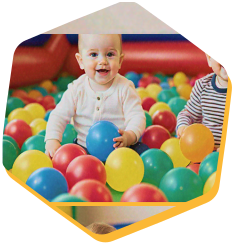
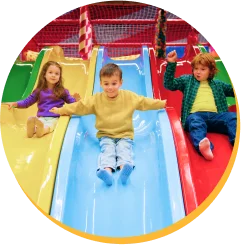
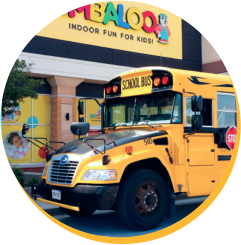
That is one reason Jumbaloo Summer Camp is easy to position as a strong first-camp option. It is fully indoors, designed for ages 4–12, and built around a consistent daily rhythm: kids start with indoor playtime, then move into their workshop track after lunch. The camp also groups children by age, which can help first-timers feel more comfortable with peers at a similar stage.
Indoor Camp Can Be a Better Fit for Kids Who Need Predictability
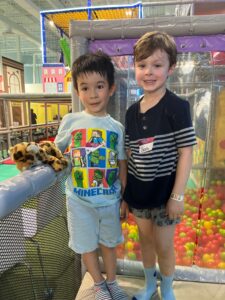
Some kids do not need everything to be perfectly controlled. They just do better when the day feels understandable.
That includes children who:
- are shy at first
- need a little time to warm up
- can get overstimulated in unfamiliar settings
- feel better when they know what to expect
- enjoy active play, but not constant unpredictability
For these kids, indoor camp can feel like a softer landing.
They still get movement. They still get social interaction. They still get the fun of camp. But they often get it in a setting that feels less disruptive and easier to read.
That does not mean every indoor camp is automatically the right fit. It means the structure, pace, and setup often work better for children who need a gentler adjustment.
At Jumbaloo, for example, the routine stays consistent week to week, mornings begin with indoor playtime, and staff notes that nervous first-day campers often ease in through movement and guided transitions before they settle into the rest of the day.
Comfort and Safety Matter More Than Parents Sometimes Expect
When parents compare indoor vs outdoor summer camps for kids in Mississauga, they are often not just comparing activities. They are trying to choose the environment that will feel best for a first camp experience.
Many parents begin by thinking about fun. That makes sense. Of course, you want your child to enjoy camp.
But for a first camp, comfort and safety often shape that enjoyment more than parents expect.
If a child is too hot, thrown off by sudden weather changes, or trying to adjust to a day that keeps shifting, they may not be able to enjoy the activities as much as you hoped. Even very active kids can struggle when the overall experience feels too unpredictable.
Indoor camp does not remove every challenge, but it can reduce some of the avoidable ones.
For Mississauga families, that has practical value. If weather changes are part of the week, an indoor camp setting can make the daily experience feel steadier.
Parents do not have to wonder as much whether the day will look completely different because of rain, heat, or changing conditions. The child gets a more consistent routine, and the parent gets fewer unknowns.
That kind of predictability can be especially helpful when your child is already doing something new.
A First Camp Still Needs to Be Active
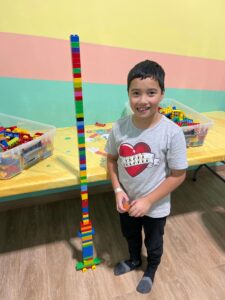
Choosing an indoor camp does not mean choosing a lower-energy experience.
This matters because some parents hear “indoor” and imagine something too passive or too classroom-like. But that is not what many families are looking for, nor is it what a strong indoor camp should offer.
A good indoor camp should still let kids move, play, explore, and stay engaged throughout the day. The difference is that the activity happens in a more controlled environment.
That is another place where Jumbaloo fits well into the first-camp conversation. Its summer camp includes daily indoor playtime along with themed workshop tracks like Art and STEM, Charming Chefs, and LEGO Robotics, so kids get both movement and structured hands-on activities in the same day.
For a cautious child, that mix can work well. They do not feel like they are being dropped into an endless stream of unknowns, but they are not sitting still all day either.
When Indoor Camp Often Makes More Sense
Indoor camp may be the stronger first choice if your child:
- has never done camp before
- is shy or slow to warm up
- gets overwhelmed in noisier or more unpredictable settings
- does better with routine
- still needs a bit of reassurance during transitions
- likes active play, but benefits from a more structured day
It may also be the better fit if you, as the parent, are looking for a first experience that feels easier to manage logistically.
That is where details such as age-based groups, full-day supervision, and extended care matter, too. Jumbaloo’s camp is built for ages 4–12, groups kids by age, includes full-day supervision, and offers extended care from 7:30 a.m. to 6 p.m., making the routine easier for families balancing work and summer schedules.
Questions to Ask Before Choosing Any First Camp
Whether you choose indoor or outdoor, a few questions can make the decision much clearer.
Ask:
- Does my child usually do well with new environments, or do they need time to adjust?
- Will they enjoy a more open, changing day, or do they do better with a clear routine?
- Are they excited by the unpredictability of the outdoors, or more comfortable in a steadier setting?
- How much movement does this camp actually include?
- Are children grouped in a way that feels age-appropriate?
- What does the staff do when a child feels nervous on the first day?
- Does the daily schedule sound manageable for my child?
These questions matter more than general camp marketing language.
A camp can sound fun on paper and still not be the best fit for a cautious first-timer. The goal is not to choose the “most exciting” camp. The goal is to choose the one your child is most likely to feel good in.
So, Which Is Better for a First Camp Experience?
If your child is confident, highly adaptable, and happiest outdoors no matter what, an outdoor camp may be a great fit.
But if your child is cautious, shy, easily overwhelmed, or just new to camp, indoor camp is often the easier first choice.
It gives them a chance to enjoy all the good parts of camp, movement, fun, group activities, learning, and independence, without as many outside variables layered on top. For many parents, that makes the whole experience feel more reassuring. For many kids, it makes the first camp week easier to settle into.
That does not mean indoor camp is the only good option. It just means it is often the more comfortable starting point.
Final Thoughts
When parents compare indoor vs outdoor summer camps for kids in Mississauga, they are often trying to answer a deeper question: what kind of first camp experience will help my child feel safe, comfortable, and happy enough to come back the next day feeling okay about it?
For cautious kids, that answer is often an indoor camp with movement, structure, age-appropriate grouping, and a routine they can settle into.
That is why Jumbaloo Summer Camp can make a strong first-camp option. It is fully indoors, designed for ages 4–12, built around a consistent daily routine, and combines active playtime with hands-on workshop tracks in a setting that can feel more manageable for children who need a gentler start.


 Don't Miss a Moment of the