




























A solid morning routine for kids isn’t about strict schedules; it’s about rhythm.
Predictable routines help children feel secure and capable. When they know what’s coming next (“I brush teeth after breakfast, then put on shoes”), it reduces anxiety and improves cooperation.
Canadian child-development expert Dr. Jean Clinton often reminds parents that “connection before direction” matters most. When mornings feel rushed or disconnected, kids go into defence mode. But when they start their day feeling seen and calm, cooperation naturally follows.
Structure brings freedom. When kids know the dance steps, the dance becomes fun.
Step 1: Start with Sleep (The Real Morning Hack)
Every great morning starts the night before.
If your little one is still yawning through breakfast, no visual chart in the world will help. Kids aged 6–12 need 9–12 hours of sleep a night. Earlier bedtimes mean more leisurely mornings for everyone.
Try setting a consistent “wind-down” cue, such as dimming the lights, playing calming music, or reading together.
And if mornings are still groggy, check the bedtime math: sometimes the problem isn’t motivation, it’s just math.
Step 2: Wake Up With Connection, Not Correction
Instead of a loud “Get up, we’re late!”, try softening the start of your morning routine for kids. A gentle back rub, a silly song, or a five-minute cuddle can set the tone for the entire day.
It sounds small, but it matters. When kids wake up feeling safe and loved, they’re more likely to move with you instead of against you.
As parenting coach Alyson Schafer (Toronto) puts it: “Children cooperate better when they feel invited to, not commanded to.”
So, instead of “Hurry up!” try:
- “Race you to the bathroom!”
- “Let’s see who can get dressed first!”
- “I’ll start the toast, you start your morning mission!”
Step 3: Visualize the Routine (Literally)
Kids thrive on visuals.
Create a simple chart (draw it, print it, or let them decorate it):
☀️ Wake up
🪥 Brush teeth
🥣 Eat breakfast
🎒 Pack bag
👟 Shoes on
Place it where they can see it. Let them check off each task or move a fun magnet along the line.
This helps them take ownership, and means you won’t have to shout instructions every five minutes.
Step 4: Keep Choices Simple
Too many options in the morning means instant overwhelm.
Instead of “What do you want to wear?”, ask “Red shirt or blue one?”
Instead of “What do you want for breakfast?”, try “Cereal or toast?”
Simple choices give kids autonomy without slowing things down. It’s a small but mighty trick in any morning routine for kids.
Step 5: Prep the Night Before
You already know this one, but here’s the gentle nudge: future-you will thank past-you.
Lay out clothes, pack lunches, sign school forms, and find missing library books, all before bedtime.
Even five minutes of prep can shave ten minutes off the morning scramble.
Bonus: involve your child! Let them pack their backpack or choose their morning snack. This gives them pride and helps build independence (and fewer “Where’s my ___?” moments).
Step 6: Add Fun, Not Pressure
Routines can sound rigid, but the best ones have wiggle room for fun.
Try a “morning mission” game:
- “Operation Sunshine: get ready before the timer!”
- “Breakfast DJ: whoever’s ready first picks the playlist.”
“Sock-Hunt Challenge: Who can find both socks fastest?”
Little touches of humour turn obligation into motivation. Kids are wired for play, so when mornings feel like mini-adventures, cooperation skyrockets.
And on mornings that don’t go smoothly, give yourself and your child grace. You’re building a habit, not chasing perfection.
Step 7: Use Positive Reinforcement (It Works Here Too!)
Praise progress, not perfection.
When your child follows through on one step, acknowledge it:
“Hey, you brushed your teeth without being asked, that’s awesome!”
This taps into the same psychology behind the Power of Positive Reinforcement; it motivates kids to repeat the behaviour because it feels good.
And yes, high-fives count as positive reinforcement too!
At Jumbaloo, we see the same magic in action when kids are praised for effort (“You climbed higher today!”), They light up with pride and push themselves further.
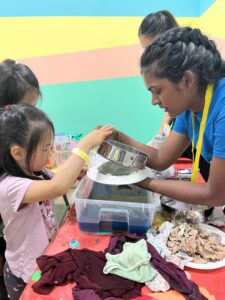
The same principle applies at home before school; encouragement is your best tool for smoother mornings.
Step 8: Make Room for Connection
Even two minutes of eye contact, a hug, or a short chat about what they’re excited for can transform your mornings.
It’s not wasted time, it’s emotional fuel.
Those few moments of warmth often mean fewer meltdowns later.
And if mornings are especially rough, remember this: your child’s brain is still warming up. That connection time isn’t delaying the day; it’s prepping it for success.
Step 9: Build in a Buffer (for Everyone’s Sanity)
If school starts at 8:30 a.m., aim to be “ready” by 8:15.
That extra 10–15 minutes gives space for socks that disappear into thin air or the inevitable “I need to show you something important right now!” moments.
No one ever regrets a buffer. Think of it as buying peace with time instead of dollars.
Step 10: Celebrate the Wins
At the end of the week, look back with your child. What went well? What can be smoother?
Maybe even mark it with a weekend treat: pancakes, a family outing, or some active fun at Jumbaloo, where kids can release all that morning energy, explore, and feel accomplished after a structured week. (Bonus: parents get coffee and quiet while they play!)
Acknowledging progress keeps routines from feeling like chores and keeps everyone motivated.
Final Thoughts
Establishing a morning routine for kids takes patience, repetition, and humour, lots of it.
You won’t get it perfect every day (spoiler: no one does). But each morning you follow the rhythm, you’re building independence, confidence, and calm, the real morning wins.
So, tomorrow when the alarm goes off, try this: deep breath, gentle start, and maybe even a smile.
Because when mornings begin with connection, the rest of the day flows a little easier, and your coffee might even stay warm.






 Don't Miss a Moment of the